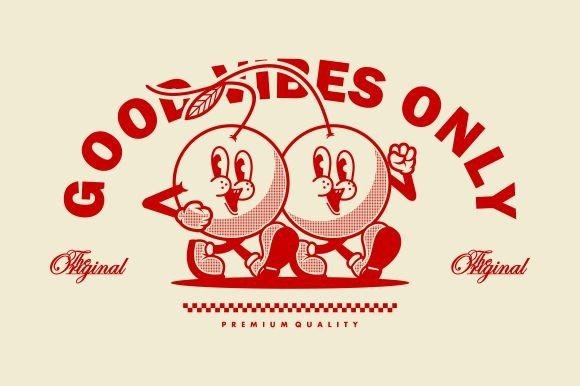
Illustration Cherry T Shirt Design: Your Ultimate Print-Ready Asset
There’s a special kind of frustration that hits when you find the perfect design but it falls apart during production. You’ve got a crisp, vibrant illustration ready for your merch line or client project, only to discover it’s a low-resolution file, the colors look muddy, or the workspace isn't set up for the printing method you need. This is where a solid, production-ready asset changes everything, and why something like the Illustration Cherry T Shirt Design is built from the ground up for real-world use. It’s not just a pretty picture; it’s a design tool engineered to move seamlessly from your screen to fabric, paper, or any other medium without losing its impact.
Built for Production: Why 300dpi and Full Color Workspaces Matter
Let’s talk about the nuts and bolts that make a design asset truly valuable. The Illustration Cherry T Shirt Design comes in a full-color workspace at 300dpi resolution. For anyone who’s ever sent a file to a printer and held their breath, you know this is non-negotiable for quality. 300 dots per inch is the standard for high-quality print, ensuring your cherries look crisp and your lines are sharp, not pixelated or blurry. The full-color workspace means you have the entire spectrum at your disposal, allowing for rich gradients, subtle shading, and vibrant pops that catch the eye.
This setup is specifically optimized for both digital printing and screenprinting. Digital printing, like direct-to-garment (DTG), thrives on full-color, high-detail files. Screenprinting, which traditionally uses spot colors, can still leverage this design by separating the colors effectively. The key is that the file is built with clarity in mind, giving you or your print shop a clean starting point. Whether you’re running a small batch of custom tees for your brand or producing a line of posters, this technical foundation saves you time, money, and the headache of reworking files.
More Than a T-Shirt: Expanding Your Creative Toolkit
While the name says “T Shirt Design,” its potential is far broader. Think of this cherry illustration as a versatile graphic element for your brand’s visual system. Its charming, illustrative style can inject personality into a wide range of projects. For a small business owner, it could become the centerpiece of your packaging design, printed on a sticker that seals a box or a thank-you card that delights your customers. A content creator might use it as a recurring motif in social media graphics, creating a recognizable and cohesive feed aesthetic.
Consider its application in editorial design. A blog focused on summer recipes or sustainable living could use the cherry illustration as a decorative header or section divider, adding a touch of whimsy to the layout. For a marketer developing assets for a seasonal campaign, it’s perfect for posters, email headers, and website banners that need to feel fresh and engaging. The design’s clarity ensures it looks just as good scaled down for a favicon as it does blown up for a wall poster. This adaptability is what transforms a single design file into a genuine asset for your brand identity.
Integrating the Design into Your Brand Workflow
So, how do you actually use this without your projects looking generic? It starts with strategic integration. The cherry illustration can serve as a primary logo mark for a playful, food-related, or lifestyle brand. Pair it with a clean, modern sans-serif font for a balanced look that feels both approachable and professional. If you’re using it as a secondary graphic element, think about consistency. Use the same cherry cluster in the corner of your invoices, as a background pattern on your website, or as a watermarked element on your digital products.
This approach builds visual consistency, which is a cornerstone of strong brand recognition. When your audience sees that familiar cherry motif across different touchpoints—from a social media ad to the packaging that arrives at their door—it reinforces who you are. It’s a subtle but powerful way to make your brand more memorable. The key is to use the illustration with intention, not just as decoration. Does it align with your brand’s voice? Does it communicate the right feeling? For a brand that values freshness, craft, or a bit of retro charm, this design could be a perfect fit.
Practical Tips for Implementation and Pairing
Before you dive in, a few practical considerations will ensure you get the most out of this asset. First, always check the licensing. If you’re using it for commercial projects like merchandise or client work, ensure you have the appropriate license. Most quality design assets come with clear terms for commercial use, but it’s your responsibility to verify.
Next, think about font pairing. The illustrative, slightly playful nature of the cherry design pairs well with a variety of typefaces. Try matching it with a clean sans-serif for a modern contrast, or a subtle serif for a more classic, editorial feel. If you’re going for a cohesive handmade vibe, a complementary script or handwritten font could work, but be mindful of readability, especially in longer text. Test your pairings at the size they’ll be used. What looks good on your large monitor might become an illegible mess on a mobile screen or a small product label.
Finally, don’t be afraid to adapt. While the file is ready to use as-is, you can often customize colors within your design software to match your exact brand palette. This small step can make a generic asset feel uniquely yours. Use it as a starting point, a high-quality ingredient in your creative recipe, rather than the final dish itself. The goal is to let this well-crafted illustration enhance your work, not define it entirely. By focusing on integration, consistency, and thoughtful application, you turn a single design file into a powerful tool for visual communication.